Homeless Problem in Los Angeles: Why Billions Haven't Ended the Crisis
9 minutes read
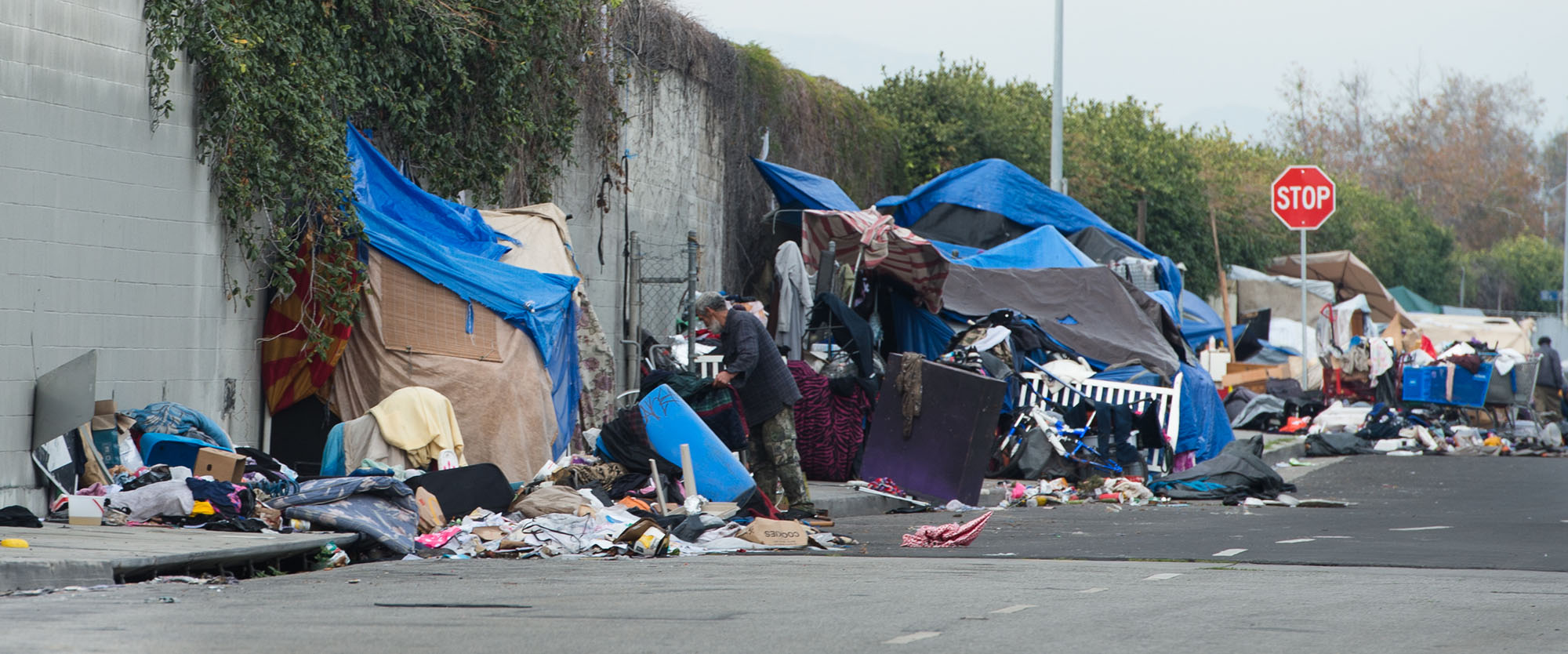
The homeless problem in Los Angeles is visible beside freeways, transit stations, parks, and business districts. Yet the region also has great wealth, strong job demand, and years of public spending. Why does homelessness remain so widespread?
The answer involves several failures at once: high housing costs, low wages, limited affordable homes, health needs, displacement, and a fragmented public system. “No one is doing anything” captures public anger, but it isn’t fully accurate. Government agencies, nonprofits, outreach workers, and housing providers are acting. Their results remain too slow for the size of the crisis.
Homelessness also takes many forms. Some people sleep in vehicles, shelters, interim housing, or encampments. Others stay with friends or family, while people experiencing chronic homelessness may live outside for years.
What Los Angeles Homelessness Data Show
The latest count shows progress and a crisis
The latest finalized 2025 LAHSA results counted 72,308 people across Los Angeles County and 43,699 within the City of Los Angeles. The figures came from a point-in-time count conducted across the county in February 2025, using an unsheltered street count and data on people in shelters and other temporary programs.
Countywide homelessness fell 4%, while homelessness in the city fell 3.4%. Unsheltered homelessness dropped 9.5% in the county and 7.9% in the city. Sheltered homelessness increased, which suggests that some people moved indoors rather than disappeared from the system.
A point-in-time count measures people on a small number of nights. It doesn’t show everyone who becomes homeless during a full year. Weather, volunteer turnout, shelter access, movement between locations, and counting methods can also change the result.