Welcome to a thought-provoking dive into one of the most controversial topics of our time: the internet. It’s hard to imagine life without it, yet there’s a growing conversation around whether the internet, for all its benefits, harbors an inherently "evil" side. This week, let’s explore why some people feel the internet might be doing more harm than good—and what that really means for us as individuals and as a society.
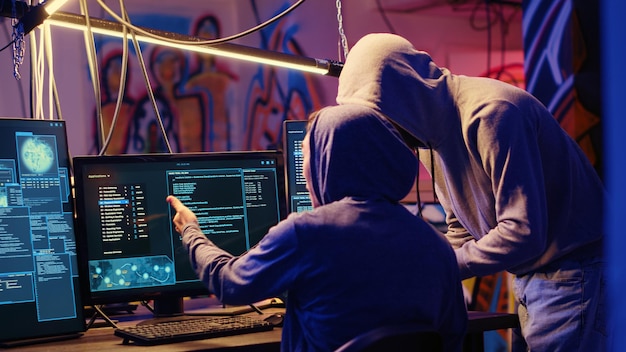
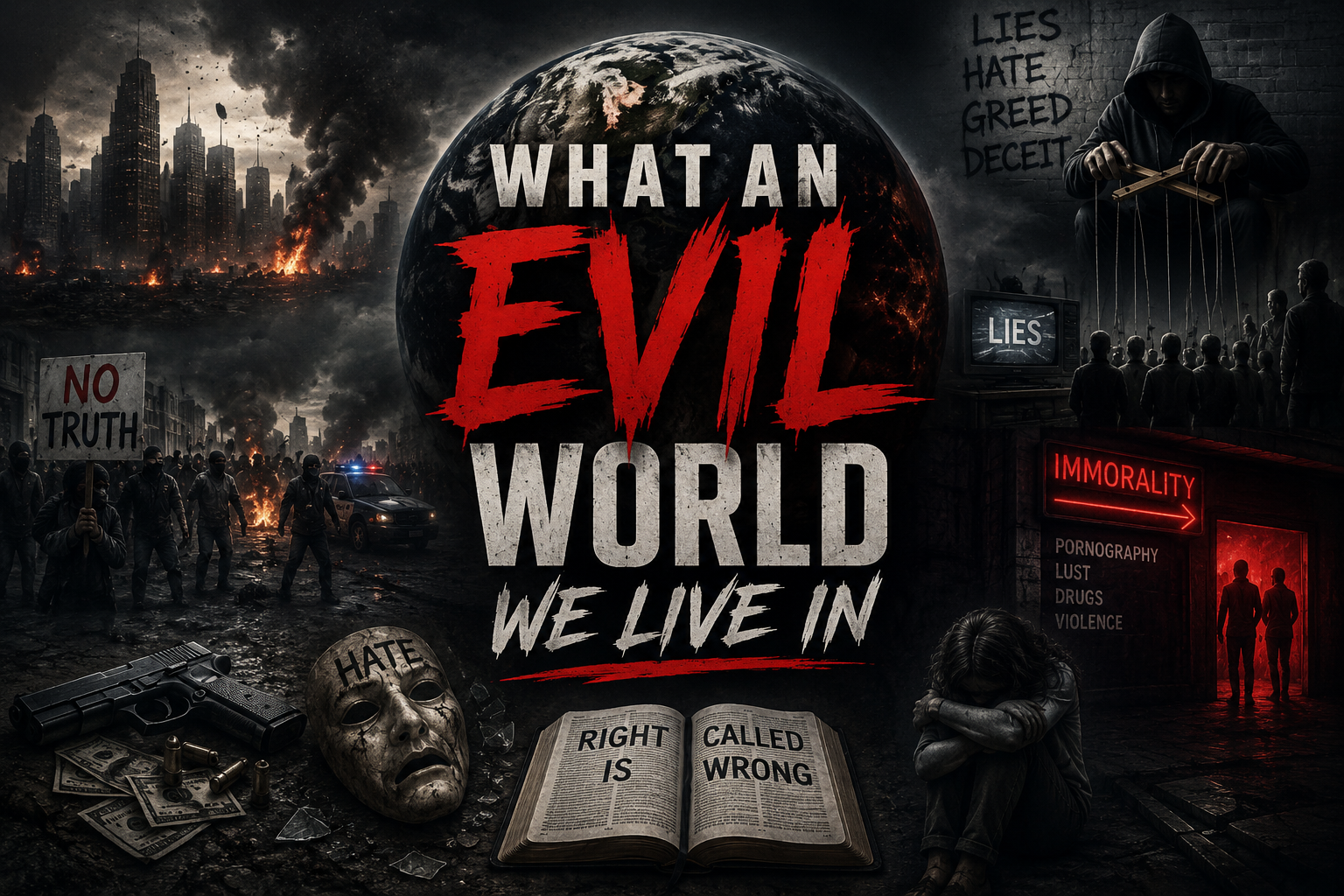
At first glance, calling the internet “evil” might sound extreme or even sensational. After all, it connects us, fuels innovation, and democratizes access to information. But beneath this shiny surface lies a complex web of challenges and consequences that can’t be ignored. From privacy invasions to misinformation, from addiction to cyberbullying, the internet’s darker facets have sparked valid concerns.
One major issue is how the internet can amplify negativity. Social media platforms, designed to keep us engaged, often prioritize sensational or divisive content because it drives clicks and shares. This can fuel misinformation, polarize communities, and spread hate more quickly than ever before. The result? A landscape where truth becomes blurry and online hostility thrives.
Then there’s the matter of privacy. Our online footprints are vast and often vulnerable. Data collection by corporations and hackers alike can lead to breaches of personal information, identity theft, or even manipulation. The internet’s architecture makes it difficult to maintain control over our personal lives, sometimes leaving us feeling powerless in the face of digital surveillance.
Beyond the societal issues, the internet also affects mental health. Endless streams of notifications and the pressure to maintain an online persona can lead to anxiety, depression, and addiction. The boundary between real life and virtual life becomes hazy, raising questions about how we balance digital connection with genuine human interaction.
But is the internet truly evil? Perhaps it’s better to see it as a powerful tool with the potential for both great good and significant harm. Like any tool, its impact depends largely on how we use it, regulate it, and educate ourselves about its risks and rewards.
In the end, recognizing the internet’s darker side is a crucial step toward making it a safer, more positive space. Conversations like these encourage us to be more mindful digital citizens, pushing for better policies, stronger protections, and more responsible online behavior.
So, while the internet may sometimes feel like a double-edged sword, it’s up to us to decide how we wield it. Stay curious, stay critical, and keep questioning the digital world around you.
Thanks for joining me in this reflection. Next week, we’ll explore how technology can be harnessed to foster real-world empathy and connection. Until then, take care of your digital self—and each other.