Homeless Problem in Los Angeles: Why Billions Haven't Ended the Crisis
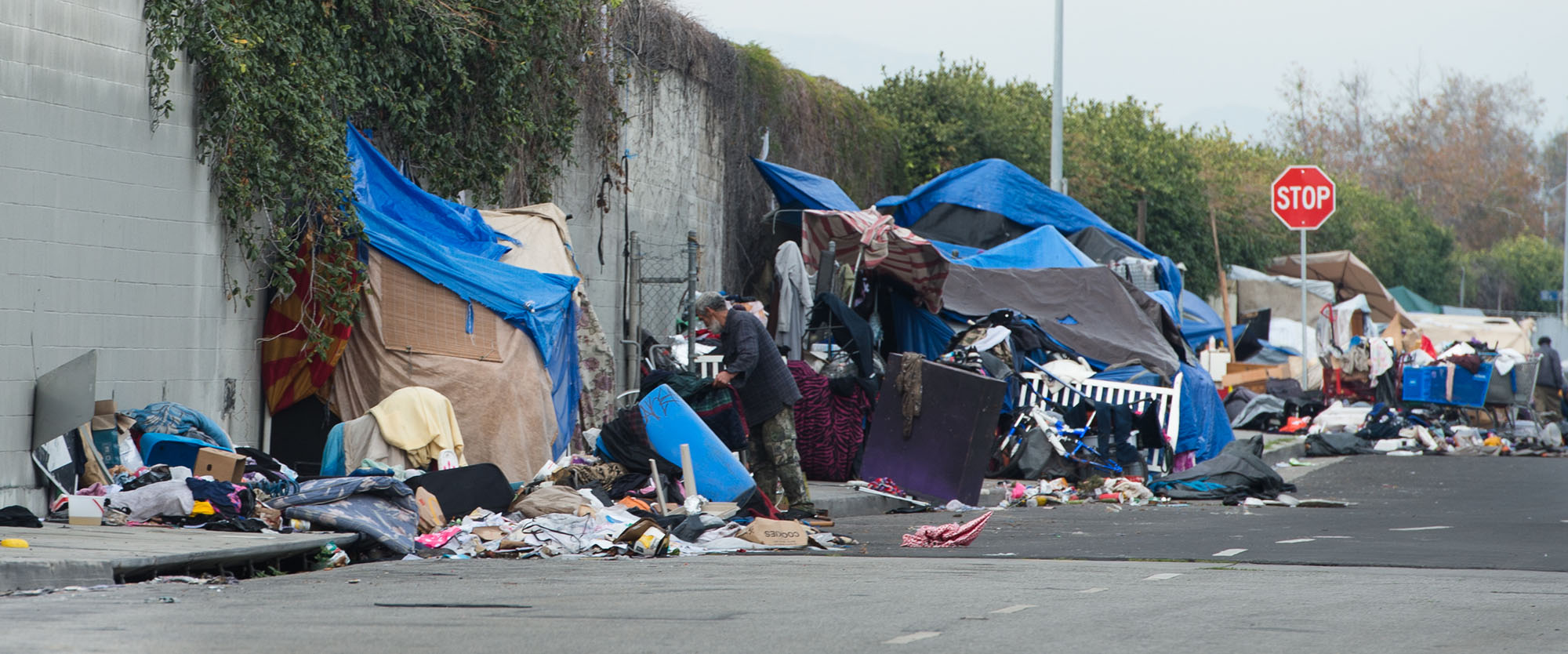
The homeless problem in Los Angeles is visible beside freeways, transit stations, parks, and business districts. Yet the region also has great wealth, strong job demand, and years of public spending. Why does homelessness remain so widespread?
The answer involves several failures at once: high housing costs, low wages, limited affordable homes, health needs, displacement, and a fragmented public system. “No one is doing anything” captures public anger, but it isn’t fully accurate. Government agencies, nonprofits, outreach workers, and housing providers are acting. Their results remain too slow for the size of the crisis.
Homelessness also takes many forms. Some people sleep in vehicles, shelters, interim housing, or encampments. Others stay with friends or family, while people experiencing chronic homelessness may live outside for years.
What Los Angeles Homelessness Data Show
The latest count shows progress and a crisis
The latest finalized 2025 LAHSA results counted 72,308 people across Los Angeles County and 43,699 within the City of Los Angeles. The figures came from a point-in-time count conducted across the county in February 2025, using an unsheltered street count and data on people in shelters and other temporary programs.
Countywide homelessness fell 4%, while homelessness in the city fell 3.4%. Unsheltered homelessness dropped 9.5% in the county and 7.9% in the city. Sheltered homelessness increased, which suggests that some people moved indoors rather than disappeared from the system.
A point-in-time count measures people on a small number of nights. It doesn’t show everyone who becomes homeless during a full year. Weather, volunteer turnout, shelter access, movement between locations, and counting methods can also change the result.
Encampments follow access, pressure, and enforcement
Street homelessness often appears along major roads, transit lines, river channels, industrial areas, vacant lots, parks, and commercial corridors. These places may offer shade, transportation, unused space, or access to food and services.
Encampments also move because of enforcement, sanitation work, neighborhood pressure, shelter openings, and outreach schedules. A cleared sidewalk may look better for a short time without changing the number of people who lack housing.
Living outside creates serious risks. People face heat, cold, violence, infections, poor sanitation, and trouble storing medicine. Losing identification, phones, tools, or documents can block access to jobs, benefits, and housing. The Supreme Court ruling in City of Grants Pass v. Johnson also described how repeated citations and property seizures can make it harder to escape homelessness.
Housing Costs Keep Los Angeles Homelessness High
Rent and income remain far apart
Housing affordability is the strongest broad explanation for Los Angeles homelessness. Federal policy considers a household cost-burdened when it spends more than 30% of its income on housing. Spending over 50% creates a severe burden and leaves little money for food, transportation, medicine, or emergencies.
The current NLIHC housing data lists a one-bedroom fair market rent of $2,328 in the Los Angeles-Long Beach-Glendale area. A full-time minimum-wage worker can afford about $879 per month, and would need to work 106 hours each week to afford that one-bedroom rent. Census figures also place median gross rent near $1,954 in Los Angeles County and $1,933 in the city for 2020-2024.
A rent increase can overwhelm a household with no savings. Reduced work hours, a medical bill, an eviction, family separation, or a broken car can turn a tight budget into a housing loss within weeks.
Affordable housing comes in different forms
Market-rate apartments, subsidized affordable units, emergency shelters, interim housing, rapid rehousing, and permanent supportive housing each serve different roles. Building a shelter bed doesn’t create a long-term home. Building a market-rate apartment doesn’t make it affordable to someone living on disability income.
Los Angeles has added permanent supportive housing and interim beds, but production remains below the need. LAHSA reported 27,994 permanent housing placements in 2024 and 2,960 new permanent supportive housing units. More than 60,000 people accessed homeless services for the first time that year, showing how quickly new housing losses can offset placements.
Evictions and displacement add pressure. Formal court evictions are only part of the story. Informal move-outs, landlord harassment, overcrowding, lease nonrenewals, and families doubling up often come first. Many people become homeless after several financial and personal shocks, not one isolated event.
Why the Homeless Problem in Los Angeles Persists
Different groups need different responses
Economic homelessness often affects people whose main barrier is rent, lost income, debt, or eviction. Rental assistance, legal aid, flexible cash, mediation, shallow subsidies, and rapid rehousing can help these households keep or regain housing.
HUD defines chronic homelessness as long-term homelessness involving a person with a disabling condition. Permanent supportive housing combines an affordable home with ongoing services for people facing serious mental illness, substance-use disorders, physical illness, or other barriers to independent living.
Families, youth, veterans, seniors, disabled people, and survivors of domestic violence face different obstacles. These may include childcare, school disruption, unsafe partners, missing documents, disability access, employment rules, or separation from family. One program cannot fit every group.
Prevention is often easier than recovery
Once someone loses housing, ordinary tasks become harder. Keeping appointments, charging a phone, storing records, attending work, and caring for children can all become unstable.
Prevention programs should connect schools, hospitals, courts, jails, domestic-violence providers, and housing agencies. Success should mean housing retained or homelessness avoided, not only the number of people enrolled.
Why the Response Looks Ineffective
Responsibility is split across many agencies
The City of Los Angeles handles some shelters, sanitation, policing, and programs such as Inside Safe. Los Angeles County funds health and behavioral-health services and works with other cities. LAHSA manages regional homeless programs, data, outreach contracts, and housing placements. HUD, California, courts, nonprofits, and incorporated cities add more layers.
This division creates gaps. A person may receive outreach but lack a housing unit. Another may qualify for a voucher but fail to obtain documents, pass a landlord screening process, or find an accessible apartment. Case managers, clinicians, shelter workers, and outreach teams are also in short supply.
Visible actions often replace durable results
Encampment closures, fencing, sweeps, shelter openings, and emergency declarations produce quick public evidence of action. Prevention, case management, housing construction, and treatment follow-up take longer and attract less attention.
The word “billions” also hides important differences. Money budgeted is different from money spent. Money spent is different from people housed. People housed is different from people who remain housed a year later.
Success should include housing retention, returns to homelessness, time from outreach to placement, shelter exits, prevention results, and cost per lasting placement. Clearing an encampment is not the same as ending homelessness.
Mental Health, Public Safety, and Enforcement
Health needs overlap with housing loss
Mental illness and substance use can contribute to homelessness, but they don’t explain all of it. Many people with mental illness are housed, and many unhoused people don’t have severe behavioral-health conditions.
A national estimate cited in the Grants Pass case found high rates of mental-health and substance-use problems among unsheltered adults. Trauma, addiction, sleep loss, illness, exposure, and violence can then worsen each other.
Los Angeles still lacks enough low-barrier detox beds, psychiatric care, residential treatment, street medicine, mobile crisis teams, and long-term supportive housing. The CARE Act can create court-supervised care plans for some people with serious mental illness, but it isn’t a housing system. Short hospital stays also fail when people return to the street without care and a stable home.
Enforcement can change location without ending homelessness
In 2024, the Supreme Court ruled that cities may enforce generally applicable public-camping laws. That decision gives Los Angeles more legal authority, but it doesn’t create shelter, treatment, or housing capacity.
Enforcement should include notice, property storage, disability accommodations, transportation, safe shelter offers, and follow-up services. Without those safeguards, move-along orders can push people a few blocks away while destroying documents, medicine, and work supplies.
What Could Reduce Homelessness in Los Angeles
Los Angeles needs a linked response rather than one headline program:
Fund eviction defense, emergency rental aid, mediation, flexible cash, and rapid rehousing.
Build and preserve extremely low-income units, family housing, accessible homes, and permanent supportive housing.
Connect interim housing to real permanent-housing openings and adequate services.
Expand street medicine, substance-use treatment, mobile behavioral-health care, benefits support, and transportation.
Publish independent results on housing retention, returns to homelessness, prevention, and unsheltered reductions.
Local governments must also reduce delays in land use, permits, contracting, construction, and service staffing. State and federal funding should reward durable outcomes instead of counting beds or announcements.
Conclusion: Los Angeles Cannot Clear Its Way Out of a Housing Crisis
Los Angeles homelessness persists because several systems fail at the same time. Rents exceed many incomes, affordable homes remain scarce, behavioral-health care is limited, agencies split responsibility, and politics rewards visible short-term action.
The crisis isn’t caused by one issue and won’t yield to one program. Enforcement may change where homelessness is seen, but housing stability requires prevention, affordable homes, supportive housing, health care, coordinated administration, and clear public data.
Future action should be judged by three results: fewer people becoming homeless, more people moving into appropriate permanent homes, and fewer people returning to the streets.
0 comment(s)
No comments yet. Be the first to comment.
Leave a comment