Holding Politicians Accountable: Are They Failing Our Community?
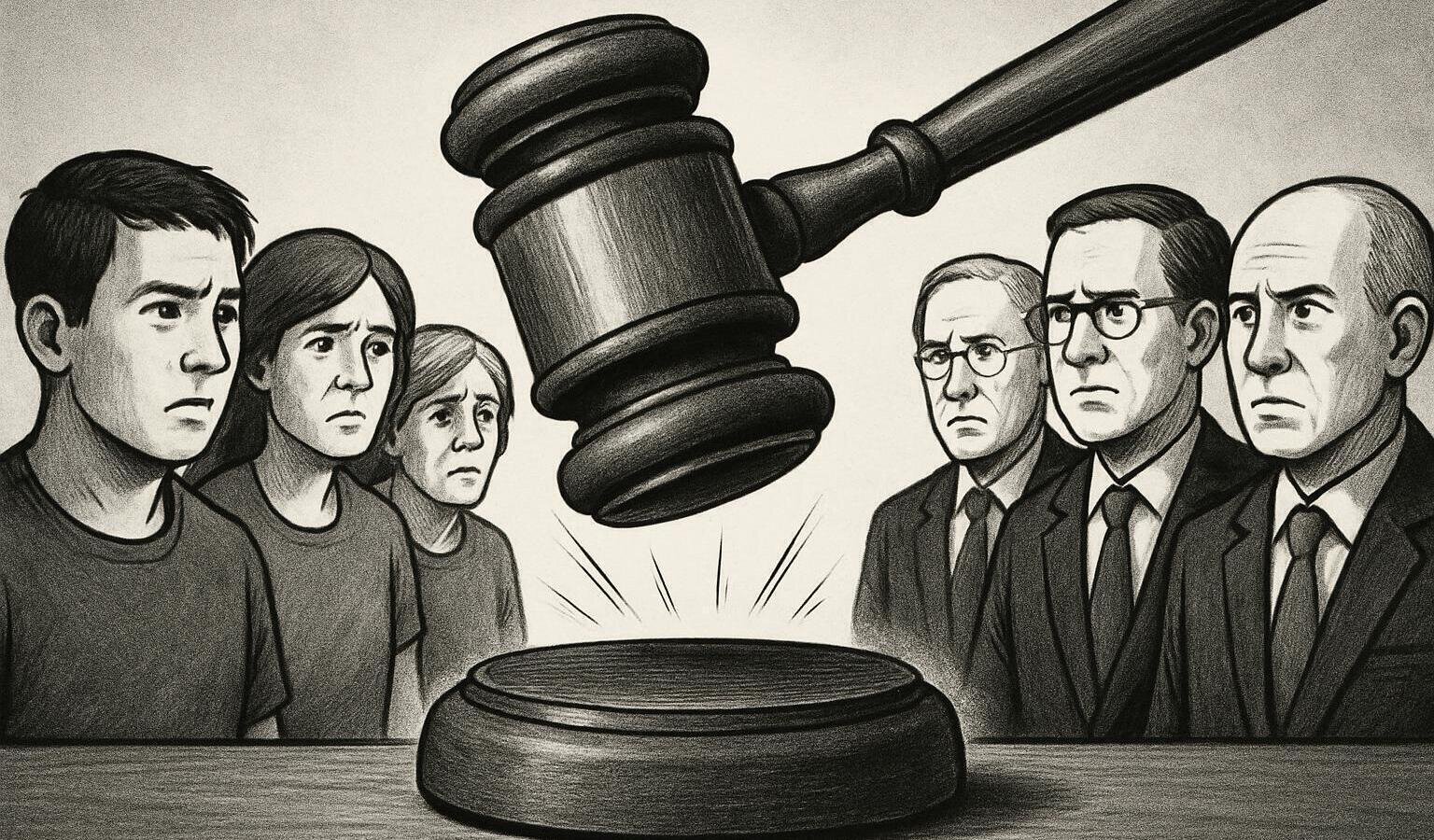
In Los Angeles, people often ask a simple question: if elected officials are supposed to serve the public, why do many residents feel like they’re not getting results? The answer may vary by office, but the path to accountability is consistent: demand transparency, document outcomes, and use the law to force answers.
At the center of our discussion is a community belief that elected leaders are failing—“I feel they’re failing the community”—especially when there are reports online raising concerns about misuse of public resources. Whether those concerns ultimately prove to be misconduct or not, the public still has strong legal tools to examine what happened, what was spent, and what decisions were made behind closed doors or without meaningful oversight.
What “accountability” means in practice
Accountability isn’t just anger or slogans. It’s:
- verifying what officials promised versus what they delivered,
- requiring open meetings and proper procedures,
- using public records laws to see spending, contracts, communications, and votes,
- and pushing for audits, investigations, and legal remedies when wrongdoing is alleged.
- The public right to open government (California)
- California’s open-meeting framework is designed specifically to curb secrecy and allow residents to participate and scrutinize decisions.
- Ralph M. Brown Act (local agencies) The Brown Act—California’s “sunshine law”—is meant to ensure the public’s right to attend meetings of local legislative bodies and to prevent misuse of the democratic process by secret actions. It is construed broadly in favor of openness, with closed-session exceptions interpreted narrowly.
It applies to meetings of local legislative bodies covered by state law (including city councils and other local governing bodies), and it’s the backbone for challenging violations when public agencies fail to provide transparency.
- Bagley-Keene Open Meeting Act (state bodies) This is the corresponding law for state-level bodies, not your core Los Angeles city/county work—but it matters when officials sit on state boards or commissions. The underlying principle is the same: public access and participation.
The public right to public records (California CPRA)
Accountability requires evidence. California’s California Public Records Act (CPRA) gives residents the right to access writings that relate to the conduct of public business, regardless of physical form.
- CPRA defines “public records” broadly and requires agencies to make records available subject to specific exemptions.
- Agencies must respond with a determination within 10 days, with limited extensions in “unusual circumstances.”
- The right of access is also grounded in the California Constitution (often described through the “Sunshine Amendment”).
If you suspect money is being misused, CPRA is often the most direct way to obtain:
- budget documents and line-item spending,
- contracts and amendments,
- reimbursement records,
- communications about procurement or oversight,
- emails/letters and other agency writings related to decisions.
“Stats” you can use without guessing
I won’t invent numbers. Instead, here’s a “stats framework” you can populate using CPRA-obtained documents and official reports:
- Spending outcomes: total discretionary spending vs. results achieved (by program/category).
- Contract volume & change orders: number/value of contracts, renewals, and amendments.
- Meeting transparency metrics: number of regular vs. special meetings; instances where agendas were posted late or actions occurred off-agenda (if provable).
- Response times: delays in producing records under CPRA and whether agencies complied within required determination timelines.
- Oversight actions: number of audits, investigations, inspector general findings, or referrals to enforcement bodies (when available).
Laws & legal tools you can cite in the article (California)
Below are the main legal hooks residents commonly use to pursue accountability:
- Brown Act (Gov’t Code §54950 et seq.) Use it when you have reason to believe:
- meetings were not open,
- the public wasn’t allowed to meaningfully attend/comment,
- decisions were made in improper closed sessions,
- agenda posting/notice requirements were violated.
The Brown Act’s purpose and open-meeting protections are described as curbing secret legislation and supporting public participation.
- CPRA (Gov’t Code §7920.000 et seq.) Use it to request the documents behind alleged misconduct or failure to act—especially spending, contracts, and agency communications.
Agencies must respond with a determination within the statutory timeline and must provide an explanation when withholding records.
- Constitutional right to access California’s “access to information” right supports your argument that accountability is not optional—it’s part of civic control over government.
Here’s a simple 2-week plan to help people feel and use their power.
Days 1–2: Get organized + pick the target
- Pick one specific focus (one department/office/official or one specific issue).
- Assign roles: 1) records lead, 2) meeting/speakers lead, 3) note-taker, 4) tracker (deadlines + responses).
- Create a one-page “ask list” with 3 questions you want answered.
Days 3–4: Write and submit records requests (CPRA)
- Draft 2–3 CPRA requests that seek the “proof” documents (contracts, spending, amendments, communications, meeting records, etc.).
- Submit and save proof of submission.
- Set a deadline reminder for follow-up if they don’t respond.
Days 5–7: Track meetings + prepare public comment
- Identify the next relevant council/board meeting date.
- Have speakers use the same short template:
💡 “I’m a resident. I want transparency on [issue].”
💡 “What actions have you taken, specifically?”
💡 “Will you provide records/answers by [date]?” - Bring a fact sheet (just the issue + what you requested + what you’re asking for).
Days 8–10: Follow up + summarize what you’ve learned
- Follow up on CPRA request status.
- Update your community with a simple scoreboard:
✅ Requests submitted: Yes/No
✅ Responses received: Yes/No
✅ Public meeting date: ___
✅ Next step: ___
Days 11–14: Escalate publicly (and keep it factual)
- Post a factual recap: what was requested, what the agency said (if anything), and what you’re asking next.
- If records are denied or delayed, request the denial reasons in writing and use the response timeline to escalate.
0 comment(s)
No comments yet. Be the first to comment.
Leave a comment